Does Myofascial Release Really Work?
Are you thinking about hiring a massage therapist, physical therapist, or chiropractor to treat your pain or problematic areas and wondering: “Does Myofascial Release really work?”
I get it, if you invest time and money in a treatment method, you want the method to work.
And while whether Myofascial Release “really works” depends on many factors like (1) the nature and location of your problem and (2) what your goals are from treatment, today I’m going to answer this question as best and honestly as I can.
How I Got Into Massage Therapy And Myofascial Release
When I was in high school I was one of those super type-A kids. All I wanted to do was get straight A’s and break a 4 minute mile on the track. And of course part of being on a high school sports team is either being injured yourself, or watching your teammates get injuries that they seemingly can’t overcome. The big problem that my teammates had was debilitating shin splints. And, while I never had shin pain, my teammates would have shin pain so debilitating that they had to stop running, and no amount of trips to the athletic trainer, icing, or shoe inserts would help.
I, of course, wanted to get my teammates back on the track with me so I started to wonder how I could help them fix their shinsplints. At the time I was getting regular adjustments from a chiropractor who recommend I massage the tibialis anterior muscles of my teammates with shin splints.
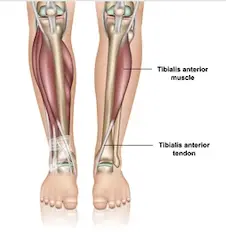
So I used my knuckles, forearms, and elbows to dig into the tibialis anterior muscles of my teammates and… it worked, a little. They had around a 25% reduction in pain. But then I thought to myself “could other tight muscles be involved as well?” So I flipped over my teammates and started digging in on their calve muscles. The results were outstanding – 100% of my teammates with debilitating shin splints were able to run pain free after treatment!
Becoming A Massage Therapist
After spending the next 10 years as a competitive distance runner, and using soft tissue work to fix many of my own pain problems, I started to notice that soft tissue therapy was very underrated in the rehabilitation industry. The athletic trainers in my high school and college didn’t do it, and physical therapists and chiropractors thought it was important, but often avoided doing extensive soft tissue work themselves. After learning about all the trainings that were out there on soft tissue treatment, I took the plunge, became a massage therapist, and then took nearly every continuing education workshop I could.
Does Myofascial Release Always Work?
So does Myofascial Release, massage therapy, and any other type of soft tissue treatment always work? I’m going to be honest here and say that while I think these therapies are powerful, useful, and at times very effective, they don’t always work. As a massage therapist practicing Myofascial Release and other advanced modalities I have not been able to fix every problem with soft tissue work alone. Why would this be? Here are the two main reasons:
1. Soft tissue therapy can’t fix hardware problems. While adhesions and restrictions do impact joints, if you were born with a limited joint or have extensive joint damage, bone spurs, or certain types of nerve entrapments, etc, Myofascial Release can provide relief, at best. I know after trying to “fix” everyone with my hands that sometimes there are limitations to what I can accomplish. Sometimes other modalities, or even surgery, can be the way to go depending on the problem.
2. Myofascial Release Can’t Fix Motor Control Problems. Many people think that a lack of strength contributes to pain, and while conditioning is an important aspect of health, how our bodies move (i.e. coordination) tends to be more important when it comes to pain. In fact, research on lower back pain, for example, is showing that a lack of coordination, NOT strength, is the real indicator for who will have back problems. This is why I often encourage clients to make corrective exercise part of our rehabilitation plan – it just gets you a MUCH higher probability of “success” – like a 3-4x higher probability of success.
Should You Get Myofascial Release?
So now you’re probably wondering: “So…should I go get Myofascial Release or should I do something else instead?“ My answer is **almost always a resounding YES, you should get Myofascial Release. Why? Well, it’s likely that in just 3-5 sessions (or less) your problematic area will either (1) be substantially better (like over 70% better) or (2) no longer an issue. Most of the time you can’t know how much a method can help until you try it for yourself. Furthermore, even if Myofascial Release alone doesn’t entirely “fix” the problem, it’s worthwhile because it RESETS your soft tissues so future treatments such as corrective exercise, or chiropractic, can be more effective.
**If you already know you have a hardware issue that isn’t related to soft tissue problems, corrective exercise might be the best starting place. Corrective exercise also tends to be better for conditions such as chronic lower back pain.
What To Look For When Choosing A Myofascial Release Therapist
1. Find A Therapist Who Will Be Honest And Let You Know When They Don’t Think More Soft Tissue Work Will Fix The Problem. Asa younger therapist I was guilty of this as well – I would often treat the same problem 10…15…20 times even if it wasn’t getting any better. Again, if 5-10 sessions of Myofascial Release doesn’t result in substantial improvement, it’s because there’s either a motor control, hardware, or other joint issue. My recommendation for clients who aren’t getting better after 5-10 sessions of MFR is to start working on corrective exercise because it’s likely that learning to move better will get you to that 90-100% improvement mark. At a minimum, it will help you identify how much better you can get without surgery. I can’t tell you how many clients I’ve had who got 40% better with massage therapy and 90% better after massage therapy AND corrective exercise.
2. Find A Therapist Who Does More Than Myofascial Release Or Has A Strong Referral Network. The only reason I offer corrective exercise and personal training is that I know I can’t fix everything with Myofascial Release or massage therapy. While you don’t need a therapist who does more than Myofascial Release, you need one who can say, at a minimum: “Your soft tissues have been RESET, and you now need to program better movement. I recommend (this movement practitioner).
3. Find A Therapist Who Isn’t Crazy Expensive, Probably A Massage Therapist. Going in network to find a Myofascial Release is often very time consuming or even impossible. Fortunately, massage therapists (like me) charge 30-50% less than physical therapists and offer care that’s every bit as good. To learn more about getting your Myofascial Release covered by insurance, click HERE.
See other articles on Myofascial Release:
1. What Is Myofascial Release?